

DENTAL APPOINTMENTS!
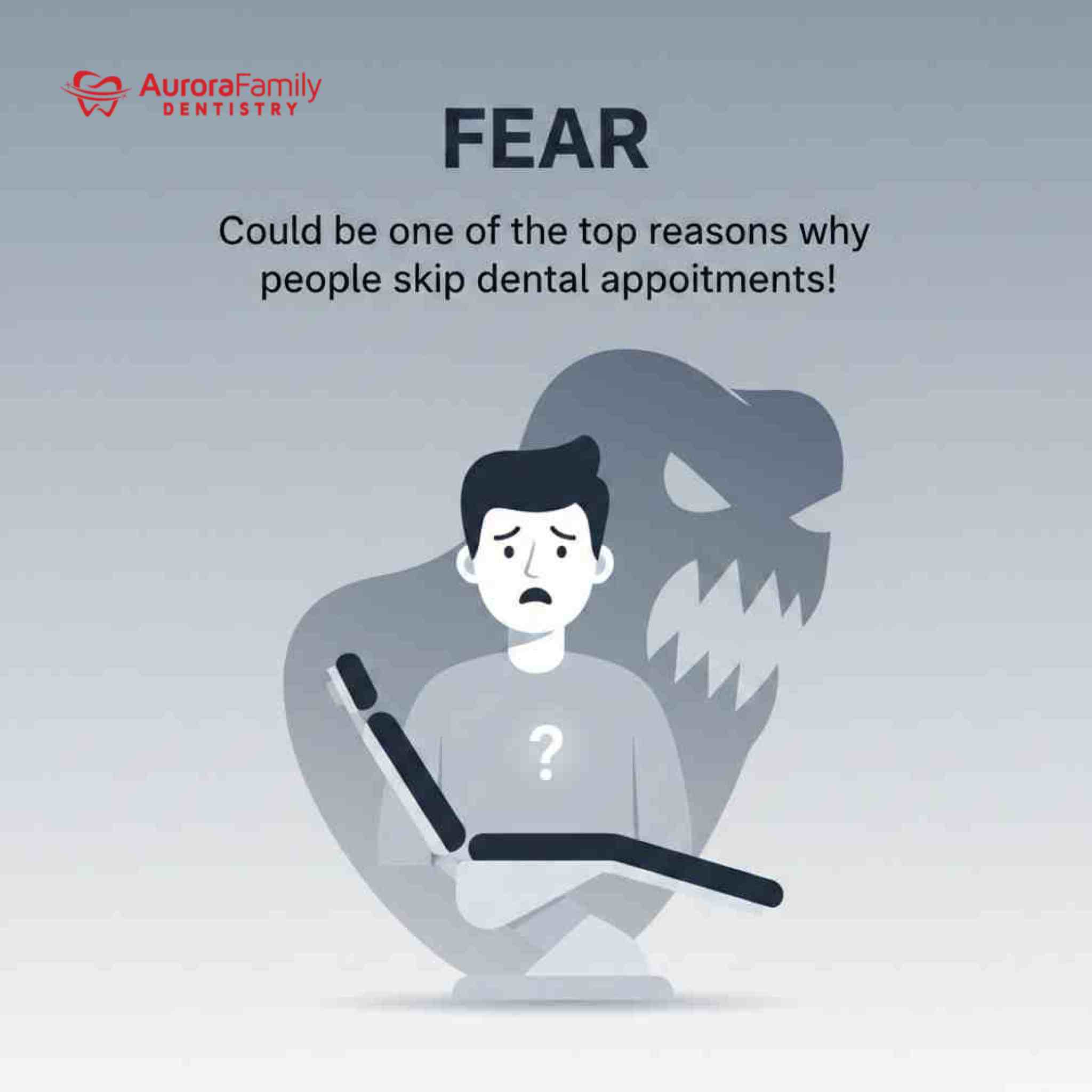
Fear Could be one of the top reasons why people skip dental appointments! The ADA found in a 2014 study that 22% of all people skipped a visit to the Dentist on account of fear of the dentist ( Patient data from the ADA) This is a pretty large number and represents on the average more than 1 in 5 people in the general population. Sometimes the fear is that of pain, while for some people it’s the fear of needles etc. etc. At Aurora Family Dentistry we try and take care of this fear by doing several things: A warm welcome! Our team of Doctors and staff, all have a warm and pleasant nature. This comes across in all their interactions with the patients. Getting a warm welcome makes a large part of the fear of the Dental office go away. We have an aquarium in the office’s reception area. Seeing the multihued fish running around is also a calming experience for a lot of people. For children, this aquarium represents a fascinating opportunity to lose themselves in observing the fish dart around. This helps make them comfortable and makes it easier for our Aurora Kids Dentist to provide them with the very best treatment. Hello! Any patient’s visit to the office involves a principal concern even if the visit is for a pre-set appointment. Our patient management system ensures that your chief concern is the first thing that gets addressed whether it’s the Doctor or the Hygienist that you have an appointment with that day. X-rays We do a full mouth X-Ray for new patients and specific tooth X-rays as needed while treatment progress. X-rays allow us to look at what’s happening in your teeth and under the gums. X-rays allow us to see how your bone and tissue are performing and these help us spot disease before it manifests in a visible flare-up in your mouth. Soft tissue exam Our Soft tissue exam helps us not only spot Gum disease but is a key part of oral cancer screening. The University of Ottawa website (Source: 2007 Oral Health Module of the Canadian Health Measures Survey, CHMS) states that 21% of Canadian adults have had a moderate or severe periodontal (gum problem) disease. Gum disease is reversible if treated early. Through this soft tissue exam, we try and find the problem as close to onset as possible. Hard tissue exam The hard tissue exam is the examination of the Teeth to check for tooth decay that might be hiding around old fillings and crowns and sometimes in the space between teeth. This is the examination of the teeth, themselves. We also look for tooth discoloration which could mean that the tooth nerve has died. We check for cracks and fractures in the teeth, which might indicate the need for a crown and in some cases the need for extraction. We check for whether there are signs that you have been grinding your teeth in your sleep (Bruxism). This is a slow process but if spotted early, and treated, major damage to the teeth can be prevented. Teeth alignment check This is not just a cosmetic exam to see how good your smile is. This check is for function. Misaligned teeth could create crowding, which over time could damage the health of several of your teeth. The treatment for misaligned teeth could be an Orthodontic treatment. For children espcially, our Aurora Kids Dentist provide options of different kinds of orthodontic treatment including Invisalign treatment for teenagers. Pictures of the inside of your mouth We take pictures of your teeth. We can show these to you on the large monitors of our operatory computers. These images help to show you exactly what might be a problem for you to treat or be concerned about. These pictures and their interpretation by the Dentist are invaluable in your seeing and understanding what’s happening in your mouth. Your personalized treatment plan With the exams complete, X-Rays and pictures taken we put all this together and work with you in the preparation of a comprehensive treatment plan that is unique for your requirements. All treatment plans are unique for each individual and are prepared with diligence. Dental Hygiene and Teeth Cleaning Your hygiene appointment is about cleaning the tartar and plaque from the teeth. At the same time coffee, tea, wine or other stains on the teeth are also removed. This simple treatment is very important as it helps you not only manage your dental health but it also gives you confidence in your smile! Setting up your next appointment! At the end of each appointment, we evaluate what further needs to be done for you and book the next appointment. This could be for a combination of Hygiene or for a Clinical appointment. We put a great deal of planning into what we do for each of our patients. After all, no two mouths are the same! To make an appointment to meet with our Aurora Dentist please click here. To visit our Emergency Dentist Aurora page please click here. To read further on the subject of the fear of the dentist or the fear of visiting the dental office – click to read this article on WebMD. Read our articles about related subjects: Tooth Extraction Braces and Invisalign Root Canal procedure
Brushing vs Flossing: Which Comes First for Optimal Oral Health?
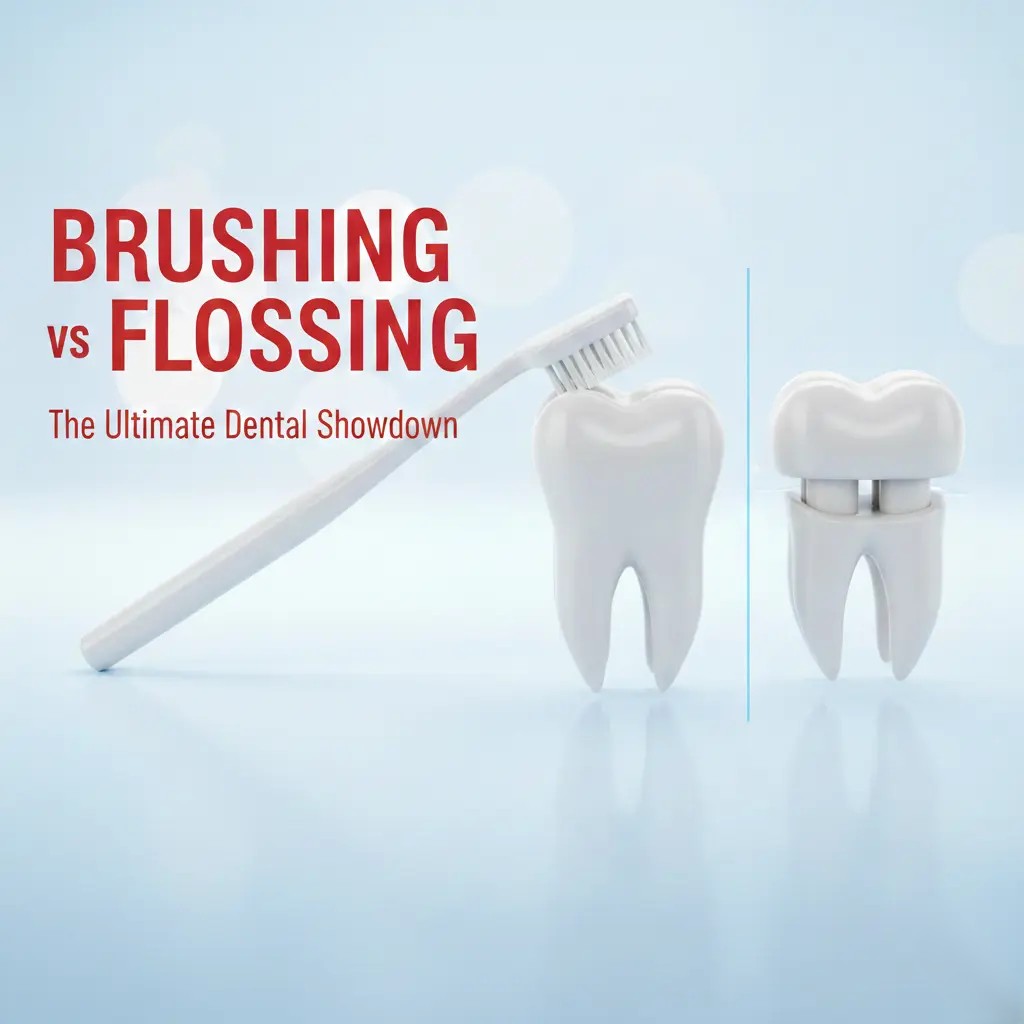
When it comes to interdental brushing vs flossing—and brushing vs flossing teeth in general—the best results come from doing both. Brushing cleans the outer surfaces of teeth, while flossing (or interdental brushes) removes plaque and food particles between teeth where a toothbrush can’t reach. Below, we explain the importance of brushing and flossing your teeth, whether one is more important, and whether you should floss first or brush first, so you can build a daily oral care routine that protects enamel and prevents gum disease. For personalized advice, visit Aurora Family Dentistry. Brush and floss: why both matter Flossing vs brushing: is one more important? If you must choose in a pinch, brushing with fluoride toothpaste twice a day is non‑negotiable. But to truly prevent gum disease and decay between teeth, flossing helps complete the job brushing can’t do. For healthy teeth and gums long‑term, don’t choose brush or floss—do both. Interdental brushing vs flossing Learn more about professional cleanings and home‑care coaching on our Dental Cleanings in Aurora page. Floss first or brush first? How to brush your teeth effectively How to floss (or use interdental brushes) correctly Common questions about brushing vs flossing Does flossing really prevent gum disease? Yes. Flossing removes plaque and food particles between teeth—areas most associated with early gum inflammation and bleeding. Consistent daily flossing helps prevent gum disease progression. Can I just use a water flosser? Water flossers are helpful additions, especially for braces or implants, but they may not fully replace floss or correctly sized interdental brushes for everyone. Ask your dentist which combination suits your mouth. What causes bleeding when I floss? Bleeding often signals inflamed gums from plaque. With gentle daily flossing, bleeding typically improves within a week. If it persists, schedule a checkup. Do floss picks work? Floss picks are better than not flossing. Ensure you curve the floss around each tooth and clean both sides of the contact. Will flossing damage enamel? No. Proper technique doesn’t harm enamel. Avoid snapping floss into gums; use gentle motions. Build a daily oral care routine that works Have questions about brushing vs flossing or which interdental tools fit your teeth? Book an appointment with Aurora Family Dentistry for tailored guidance and a cleaner, healthier smile.
Tooth Enamel: Causes of Enamel Erosion, Symptoms, and How to Protect Your Teeth
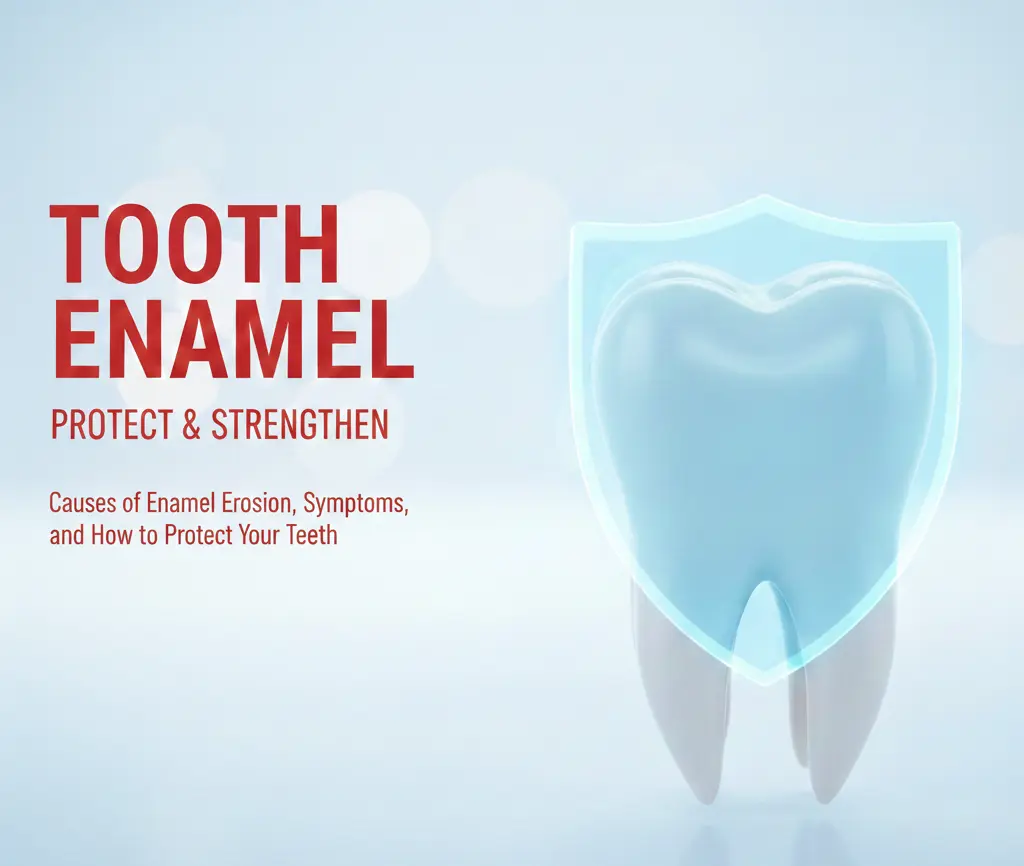
Wondering “what is tooth enamel” and whether enamel can grow back? Enamel is the hard, protective outer layer of your teeth—the hardest substance in the human body. It shields the inner dentin and nerve from temperature changes, acids, and wear. When enamel erosion occurs, you may notice sensitivity and cosmetic changes. This guide explains signs of tooth enamel erosion, causes, prevention, and how dentists can repair tooth enamel and strengthen enamel for better long‑term dental health. For personalized care, visit Aurora Family Dentistry. What is tooth enamel and why is it important? Causes of tooth enamel erosion Symptoms of tooth enamel erosion If you notice these symptoms of tooth enamel erosion, book a checkup: schedule an appointment. Stages of enamel decay Can tooth enamel grow back? Enamel does not grow back once lost; it cannot regenerate naturally. However, you can: How dentists treat enamel erosion and restore your smile Learn more and keep enamel healthy with regular dental care—see our Dental Cleanings in Aurora page. How to prevent enamel erosion and protect your tooth enamel Strengthening enamel naturally: what helps and what doesn’t FAQs: Tooth enamel, erosion, and restoration What is tooth enamel? Tooth enamel is the hard, protective outer layer of your teeth. Enamel is the hardest substance in the body and safeguards teeth against wear and decay. Can enamel loss be reversed? You can’t regrow lost enamel, but you can remineralize and strengthen remaining enamel with fluoride and good dental care. Dentists can fix cosmetic and functional issues with bonding, veneers, or crowns. What causes tooth enamel erosion? Acids (dietary or reflux), dry mouth, over‑brushing, and grinding are common causes. Frequent sugar/acid exposure accelerates enamel wear. How do I stop enamel erosion? Limit acidic/sugary items, rinse with water, wait 30 minutes before brushing after acids, use fluoride products, and see your dentist regularly. Address grinding and reflux. Is tooth sensitivity always a sign of enamel erosion? Sensitivity often indicates enamel wear or exposed dentin, but it can also come from gum recession, cracks, or cavities. A dental exam identifies the cause. Can fluoride repair tooth enamel? Fluoride helps remineralize and strengthen remaining enamel, making teeth more acid‑resistant and reducing sensitivity. It doesn’t regrow lost enamel. What dental treatments restore tooth enamel? Fluoride varnish, bonding, sealants, veneers/crowns, and nightguards (for grinding). Your dentist will recommend the best option based on the stage of enamel decay. Protecting your enamel starts with regular dental care Protect your teeth and keep enamel strong with consistent home care and routine visits. For an evaluation and a personalized plan to treat enamel erosion and strengthen enamel, book an appointment with Aurora Family Dentistry. We’ll help stop enamel erosion, fix enamel damage, and restore comfort and confidence.
10 Proven Tips for Better Teeth and Gum Health
We know that oral health is the gateway to overall health of the body. Read these top 10 tips to know what you can do for healthy teeth and gums
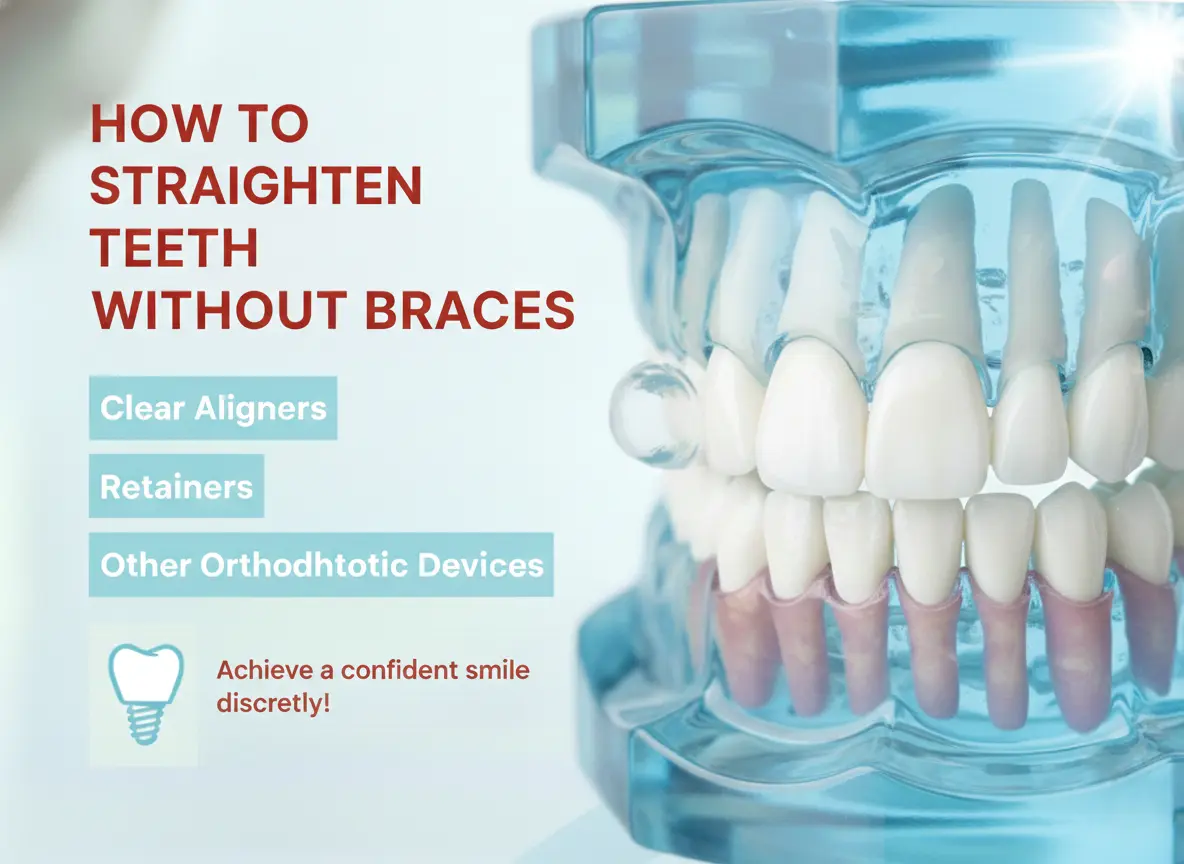
How to Straighten Teeth Without Braces
Whether you are a teenager or an adult, Invisalign clear aligners is how to straighten your teeth without braces. Will it work for you? read on..