
When it comes to interdental brushing vs flossing—and brushing vs flossing teeth in general—the best results come from doing both. Brushing cleans the outer surfaces of teeth, while flossing (or interdental brushes) removes plaque and food particles between teeth where a toothbrush can’t reach. Below, we explain the importance of brushing and flossing your teeth, whether one is more important, and whether you should floss first or brush first, so you can build a daily oral care routine that protects enamel and prevents gum disease. For personalized advice, visit Aurora Family Dentistry.
Brush and floss: why both matter
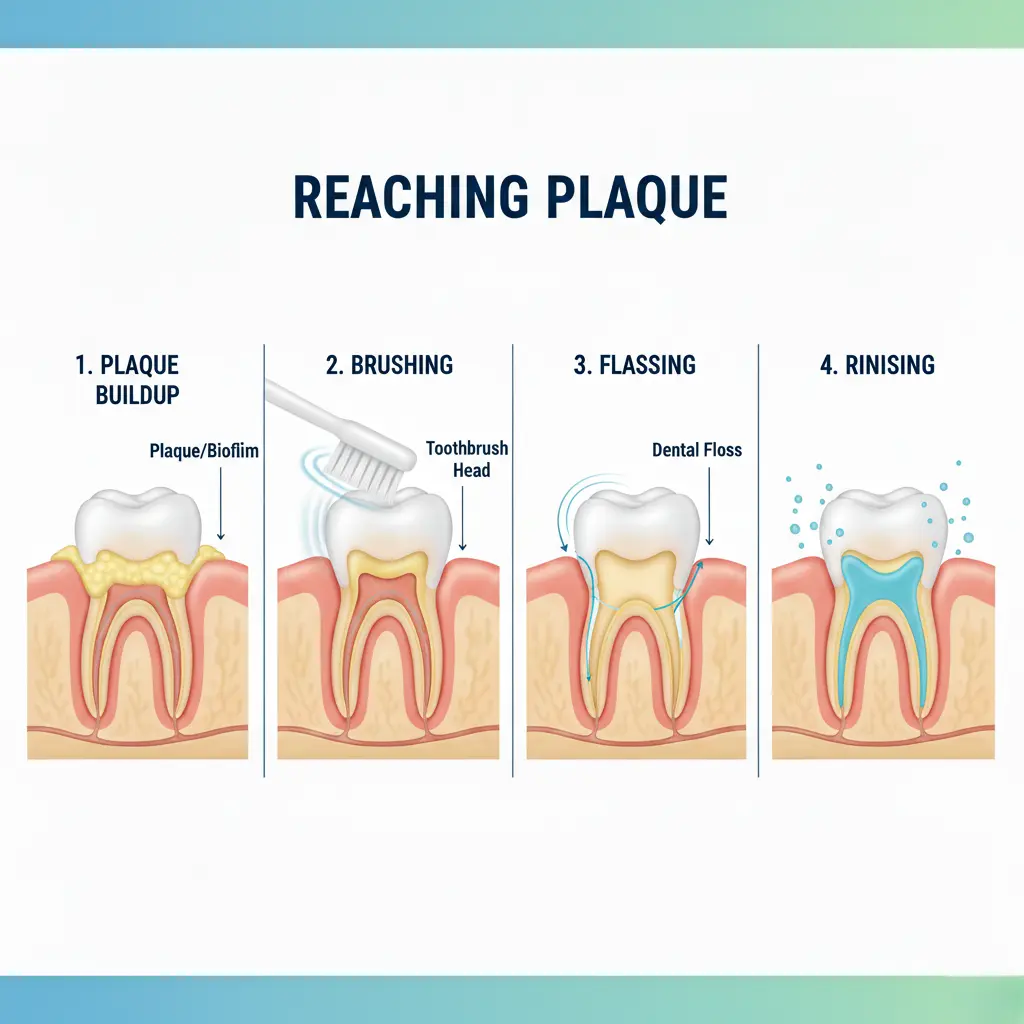
- Brushing your teeth twice a day with fluoride toothpaste removes plaque from the accessible surfaces of teeth and along the gumline, helping prevent tooth decay and bad breath.
- Flossing your teeth (or using interdental brushes) removes plaque and bacteria between teeth—crucial for preventing gum disease and cavities in these tight spaces.
- Neither alone is enough for optimal oral health; using both prevents plaque buildup that can lead to cavities and inflamed gums.
Flossing vs brushing: is one more important?
If you must choose in a pinch, brushing with fluoride toothpaste twice a day is non‑negotiable. But to truly prevent gum disease and decay between teeth, flossing helps complete the job brushing can’t do. For healthy teeth and gums long‑term, don’t choose brush or floss—do both.
Interdental brushing vs flossing
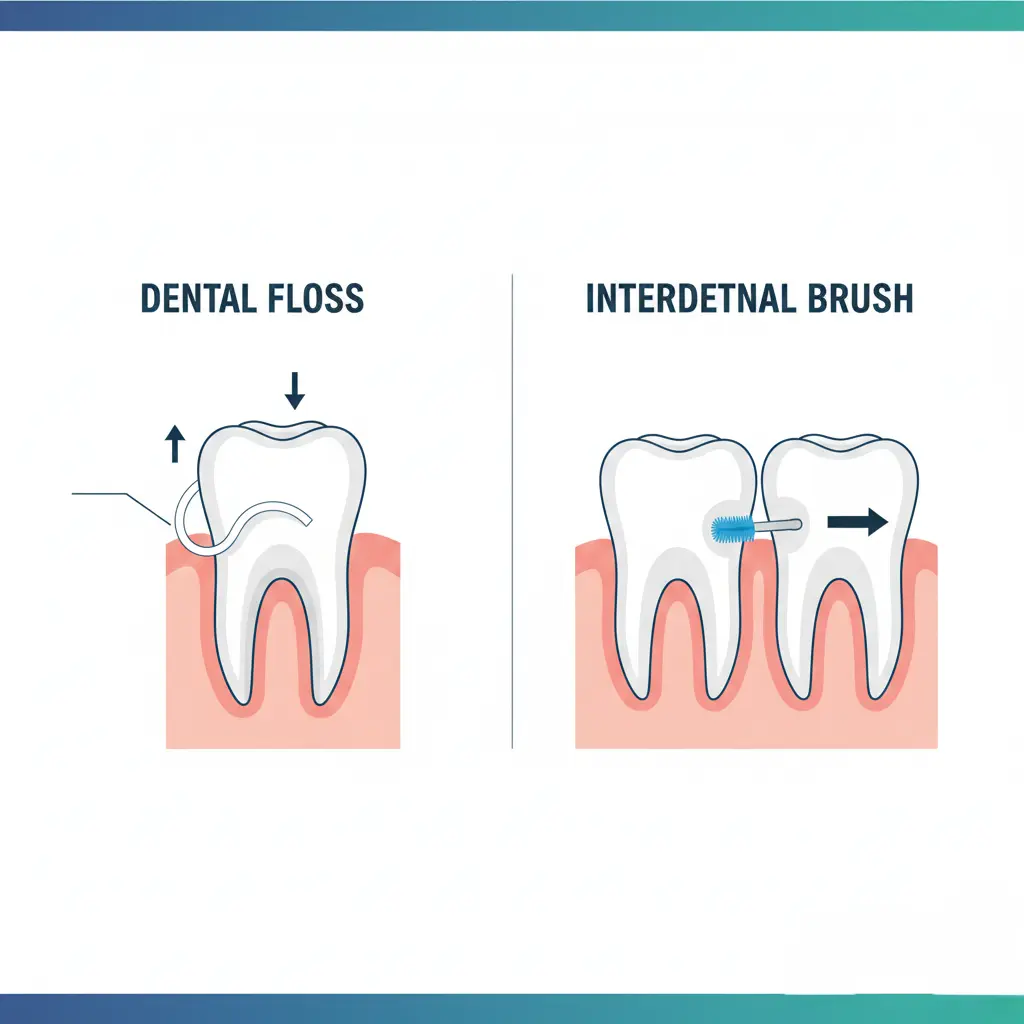
- Interdental brushes: Little brush tips that slide between teeth. They’re excellent for larger spaces, around bridges, and for patients with gum recession. Many studies show interdental brushes can remove more plaque than floss when they fit the space properly.
- Dental floss: Best for tight contacts where brushes won’t fit. Options include waxed, unwaxed, tape, and floss picks.
- What to use: Pick the tool that fits each space—some areas need floss, others an interdental brush. Your dentist or hygienist can size you for the right interdental brush.
Learn more about professional cleanings and home‑care coaching on our Dental Cleanings in Aurora page.
Floss first or brush first?
- Flossing before brushing can help remove plaque and food particles, allowing fluoride toothpaste to reach between teeth more effectively.
- The most important factor is consistency in your oral hygiene routine—floss daily and brush your teeth at least twice a day.
How to brush your teeth effectively
- Use a soft‑bristle toothbrush and fluoride toothpaste.
- Angle bristles toward the gumline and use small circular motions.
- Brush all surfaces of teeth for two minutes, twice a day.
- Replace your toothbrush (or electric head) every 3–4 months.
How to floss (or use interdental brushes) correctly
- Floss: Gently slide between teeth, curve into a C‑shape against each tooth, and move up and down to remove plaque. Avoid snapping onto gums.
- Interdental brush: Insert the correctly sized brush snugly—never force it—and move it in and out a few times to clean the sides of both teeth.
Common questions about brushing vs flossing
Does flossing really prevent gum disease?
Yes. Flossing removes plaque and food particles between teeth—areas most associated with early gum inflammation and bleeding. Consistent daily flossing helps prevent gum disease progression.
Can I just use a water flosser?
Water flossers are helpful additions, especially for braces or implants, but they may not fully replace floss or correctly sized interdental brushes for everyone. Ask your dentist which combination suits your mouth.
What causes bleeding when I floss?
Bleeding often signals inflamed gums from plaque. With gentle daily flossing, bleeding typically improves within a week. If it persists, schedule a checkup.
Do floss picks work?
Floss picks are better than not flossing. Ensure you curve the floss around each tooth and clean both sides of the contact.
Will flossing damage enamel?
No. Proper technique doesn’t harm enamel. Avoid snapping floss into gums; use gentle motions.
Build a daily oral care routine that works
- Brush twice daily with fluoride toothpaste.
- Floss (or use interdental brushes) once daily.
- Limit sugary and acidic snacks; drink water often.
- Keep regular dental exams and cleanings to remove hardened plaque and check gums.
Have questions about brushing vs flossing or which interdental tools fit your teeth? Book an appointment with Aurora Family Dentistry for tailored guidance and a cleaner, healthier smile.