
Wondering “what is tooth enamel” and whether enamel can grow back? Enamel is the hard, protective outer layer of your teeth—the hardest substance in the human body. It shields the inner dentin and nerve from temperature changes, acids, and wear. When enamel erosion occurs, you may notice sensitivity and cosmetic changes. This guide explains signs of tooth enamel erosion, causes, prevention, and how dentists can repair tooth enamel and strengthen enamel for better long‑term dental health. For personalized care, visit Aurora Family Dentistry.
What is tooth enamel and why is it important?
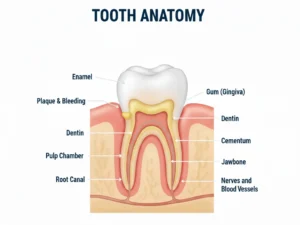
- Enamel is the hardest substance in the body, covering the crown (visible part) of each tooth.
- It protects your teeth from decay, acid attacks, and everyday wear.
- Enamel has no living cells—enamel loss does not naturally grow back—but you can prevent further damage and strengthen remaining enamel.
Causes of tooth enamel erosion
- Acidic foods/drinks: soda, energy drinks, citrus, vinegar, wine
- Frequent snacking or sipping sweet/acidic beverages
- Acid reflux/GERD or frequent vomiting
- Dry mouth (low saliva flow)
- Over‑brushing with hard bristles or abrasive toothpaste
- Nighttime grinding (bruxism) or clenching
- Poor dental care habits and irregular professional cleanings
Symptoms of tooth enamel erosion
- Tooth sensitivity to cold, heat, sweet, or acidic foods
- Yellowing (thinning enamel reveals dentin beneath)
- Rounded or cupped chewing surfaces; small chips
- Increased cavity risk
- Transparent edges on front teeth
- Roughness or uneven wear
If you notice these symptoms of tooth enamel erosion, book a checkup: schedule an appointment.
Stages of enamel decay
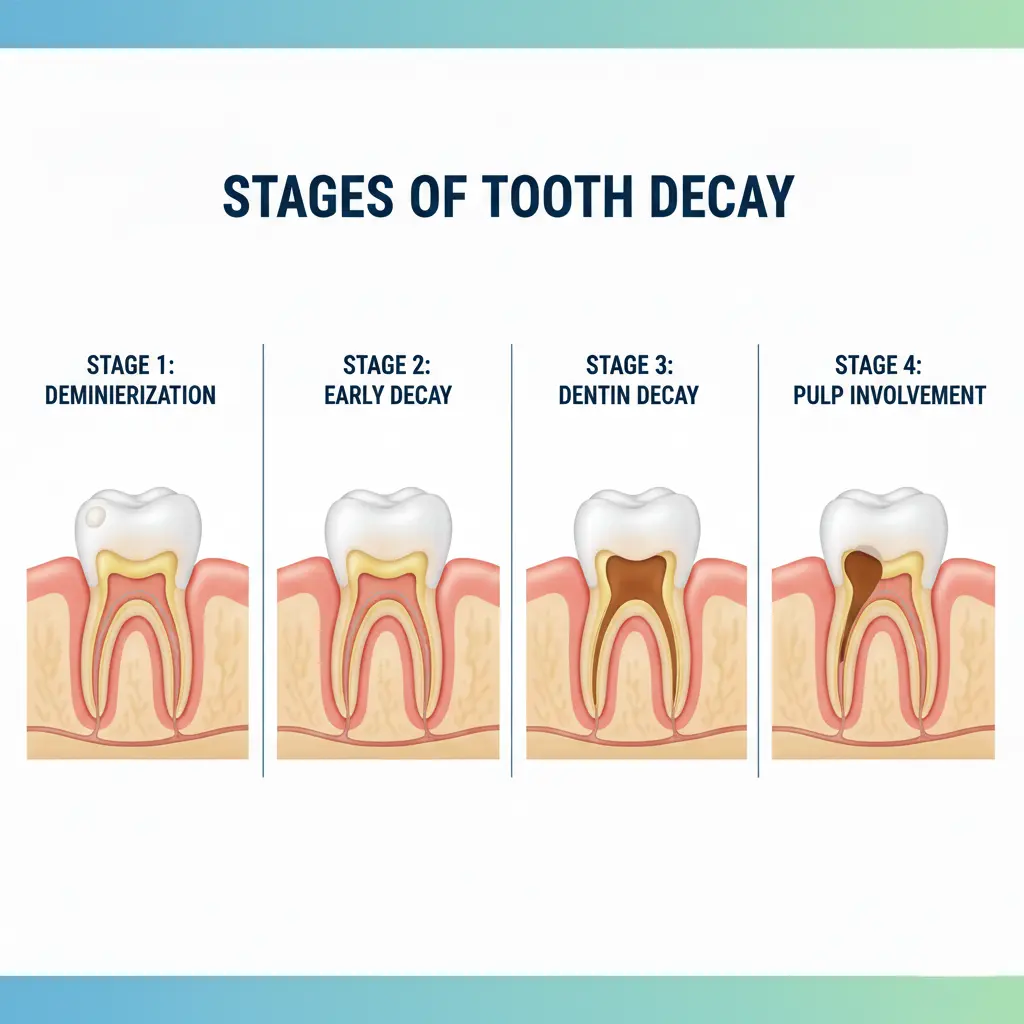
- Early: mild sensitivity and surface wear (enamel loss)
- Moderate: visible changes, increased sensitivity, early cavities
- Advanced: enamel wear exposes dentin, cavities deepen, potential for root canal if decay reaches the pulp
Can tooth enamel grow back?
Enamel does not grow back once lost; it cannot regenerate naturally. However, you can:
- Remineralize and strengthen remaining enamel with fluoride and improved habits
- Repair tooth enamel damage cosmetically and functionally (bonding, veneers)
- Prevent enamel erosion from progressing with targeted dental care
How dentists treat enamel erosion and restore your smile
- Professional fluoride varnish/gel: strengthens remaining enamel and reduces sensitivity
- Remineralization care: prescription fluoride toothpaste; desensitizing agents
- Dental bonding or sealants: protect worn areas and cover exposed dentin
- Veneers or crowns: restore shape, strength, and appearance in advanced wear
- Nightguards: reduce grinding/clenching damage
- Treat underlying causes: reflux management, saliva support, habit changes
Learn more and keep enamel healthy with regular dental care—see our Dental Cleanings in Aurora page.
How to prevent enamel erosion and protect your tooth enamel
- Brush your teeth twice daily with fluoride toothpaste; use a soft brush and gentle circles
- Floss every day to reduce plaque acids
- Limit acidic and sugary foods/drinks; rinse with water afterward
- Wait ~30 minutes before brushing after acidic foods/drinks
- Drink water throughout the day to support saliva flow
- Use a fluoride mouthrinse if advised by your dentist
- Consider sugar‑free gum to boost saliva
- Wear a nightguard if you grind your teeth
- Keep regular dental checkups and cleanings
Strengthening enamel naturally: what helps and what doesn’t
- Helps: fluoride toothpaste/varnish, balanced diet (calcium‑rich foods like yogurt, cheese, leafy greens), saliva‑boosting habits (hydration, sugar‑free gum)
- Doesn’t regrow enamel: home remedies without fluoride; abrasive “whitening” pastes; brushing too hard
FAQs: Tooth enamel, erosion, and restoration
What is tooth enamel?
Tooth enamel is the hard, protective outer layer of your teeth. Enamel is the hardest substance in the body and safeguards teeth against wear and decay.
Can enamel loss be reversed?
You can’t regrow lost enamel, but you can remineralize and strengthen remaining enamel with fluoride and good dental care. Dentists can fix cosmetic and functional issues with bonding, veneers, or crowns.
What causes tooth enamel erosion?
Acids (dietary or reflux), dry mouth, over‑brushing, and grinding are common causes. Frequent sugar/acid exposure accelerates enamel wear.
How do I stop enamel erosion?
Limit acidic/sugary items, rinse with water, wait 30 minutes before brushing after acids, use fluoride products, and see your dentist regularly. Address grinding and reflux.
Is tooth sensitivity always a sign of enamel erosion?
Sensitivity often indicates enamel wear or exposed dentin, but it can also come from gum recession, cracks, or cavities. A dental exam identifies the cause.
Can fluoride repair tooth enamel?
Fluoride helps remineralize and strengthen remaining enamel, making teeth more acid‑resistant and reducing sensitivity. It doesn’t regrow lost enamel.
What dental treatments restore tooth enamel?
Fluoride varnish, bonding, sealants, veneers/crowns, and nightguards (for grinding). Your dentist will recommend the best option based on the stage of enamel decay.
Protecting your enamel starts with regular dental care
Protect your teeth and keep enamel strong with consistent home care and routine visits. For an evaluation and a personalized plan to treat enamel erosion and strengthen enamel, book an appointment with Aurora Family Dentistry. We’ll help stop enamel erosion, fix enamel damage, and restore comfort and confidence.